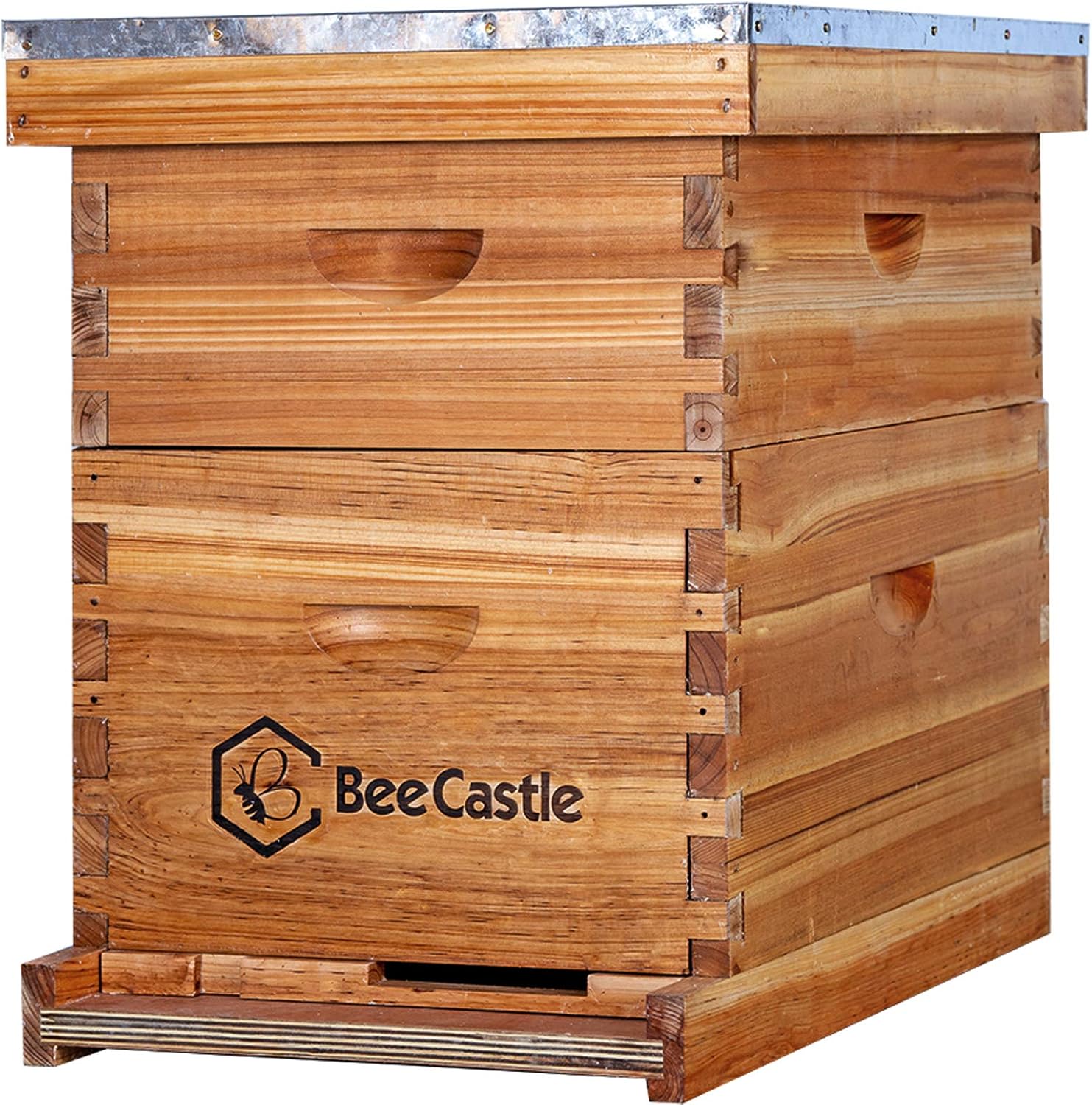
Buying Used Beekeeping Equipment: A Practical Inspection Checklist
Used beekeeping equipment can reduce startup costs, but a low price is only useful when the equipment is suitable, serviceable and safe to bring into your apiary. Check its history before judging its appearance. A freshly painted box can still come from an apiary with unresolved disease problems.
Before buying used beekeeping equipment, separate three decisions: whether the history is acceptable, whether the parts fit your setup and whether the total cost beats buying suitable replacements. If you cannot resolve the first question, a discount does not resolve it for you.
Start with the seller and equipment history
Ask why the equipment is for sale and which colonies used it. Request dates, available inspection records and details of unexplained colony losses. If the seller says the bees died over winter, ask whether the cause was investigated rather than accepting that phrase as a diagnosis.
The Canadian Food Inspection Agency's honey bee biosecurity guide addresses risks from used hive equipment and recommends segregation on receipt. Its useful principle for any buyer is to assess provenance before mixing equipment into a working apiary; specific legal requirements depend on your location.
Write down what you know and what remains unknown. A named beekeeper with records and equipment kept by colony is easier to assess than an anonymous mixed pile. Good records reduce uncertainty, but they do not mean you can skip a physical inspection.
If buying from an estate or someone who did not manage the bees, arrange experienced help. The seller may be acting honestly while being unable to answer important health questions. Treat missing information as missing information, rather than proof that the equipment is healthy.
Understand the disease risk before accepting old comb
American foulbrood is a major reason to be cautious about secondhand brood equipment. The USDA Bee Research Laboratory's American foulbrood overview explains that the disease is caused by a spore-forming bacterium and can spread through contaminated material and transferred equipment.
You cannot clear a box by checking that it smells normal or looks tidy. Old brood comb deserves particular scrutiny because it comes with a history you may not be able to reconstruct. Replacing the comb also does not automatically clear every associated piece of equipment.
Unusual brood remains, suspicious scales or unexplained brood losses are reasons to seek an apiary inspector's advice. Do not identify foulbrood from a marketplace photograph. UF/IFAS guidance on European foulbrood illustrates why different brood diseases need careful identification.
If disease is suspected, stop the transaction or hold the material securely without giving bees access while you obtain local instructions. In England and Wales, for example, government bee-health guidance sets out notification requirements for specified diseases. Check the authority responsible for your own region before moving suspect material.
Inspect the equipment by type
Hive boxes, lids and bottom boards
Look at joints, frame rests, lower edges and corners. Probe the practical questions: will this box support a full load, sit squarely on the next box and close without unintended gaps? Soft wood, badly split corners and distorted rims can turn a cheap box into a repair project.
Check the roof and floor separately. A sound-looking stack may hide a leaking lid, rotten bottom board or damaged screen. Verify that inspection trays and entrance components are included if the design requires them.
For poly equipment, inspect frame supports, crushed edges, cracks and the fit between components. Cleaning methods differ between materials. Our wooden vs poly hive comparison explains why material compatibility and maintenance deserve their own checks.
Frames, foundation and drawn comb
Measure frame length and depth rather than trusting the word standard. Check top bars, end bars, wires and joints. Decide how many frames are genuinely usable after excluding broken parts and comb you cannot accept.
Keep empty frames, fresh foundation, old brood comb and honey-containing frames separate in your assessment. They are not equivalent items in a bundle. Do not count every dark frame as valuable drawn comb or assume every white sheet of foundation is undamaged and ready to use.
If the seller has mixed frame sizes, lay out a complete box before agreeing a price. Our 8-frame vs 10-frame Langstroth guide can help clarify capacity, but frame count alone does not establish dimensional compatibility.
Suits, veils and gloves
Try on protective clothing with the veil secured. Check mesh, seams, cuffs, ankles and every zipper. A small tear near the face is a different problem from a cosmetic stain on a pocket. Confirm that replacement veils or zipper repairs are actually available.
Follow the maker's cleaning instructions and consider the item's contamination history. If damaged clothing cannot provide a secure fit, price it as a repair item rather than ready-to-use protection. You can compare the basic options in our protective gear section.
Smokers and hive tools
Check that the smoker lid closes, the bellows work and the guard and attachment points are secure. Look for holes, sharp edges and weakened parts. A hive tool should be structurally sound and comfortable to handle without damaged edges.
Remember that handheld tools also move between colonies. Include appropriate cleaning in the purchase plan instead of placing them straight into your working kit. Our bee smoker guide covers the operating checks that matter once the tool is ready for use.
Extractors and honey-processing equipment
Inspect food-contact surfaces, seams, gates and seals. Ask whether the equipment has held anything other than honey or food. Check that suitable replacement seals and components remain available, and inspect the rotor and frame holders for damage.
For powered equipment, obtain the manual and have electrical concerns assessed by a qualified person. Do not test a damaged machine simply to see whether it spins. Compare its capacity with your actual frame sizes using our manual vs electric extractor guide.
Cleaning is a plan, not a promise
Ask which cleaning method is appropriate for the material and the identified risk. Routine cleaning, disinfection for a specific pathogen and pest control are different tasks. Scraping wax, washing surfaces or freezing comb should not be represented as universal disease clearance.
Avoid copying a chemical or flame treatment from a social-media comment. Some methods damage poly, plastic, paint, seals or protective mesh, and serious disease may require official handling. Obtain instructions from the manufacturer and local bee-health authority before deciding that an uncertain item is recoverable.
If a pesticide is proposed, check that the current local label permits the exact use. The US Environmental Protection Agency explains the role of pesticide labels; in the United States, the label governs application instructions and restrictions. A household product is not automatically suitable around hive equipment or food-contact surfaces.
Calculate the real price of the bundle
Make a usable-item list before negotiating. Include replacement frames, foundation, lids, repairs, cleaning supplies, collection costs and your own time. Compare the resulting setup with a complete new alternative of similar specification.
For example, ten inexpensive boxes may be poor value if only four fit your hive system and each needs a new lid. A smaller, documented bundle that matches your equipment can be more useful. Avoid paying for unwanted comb simply because it makes the stack look complete.
Photograph dimensions and labels with the seller's permission, then check uncertain components before paying. Ask whether you can reject items that differ materially from the description. You need not decide on the spot because other buyers supposedly want the bargain.
A pickup and arrival checklist
Before collection, confirm the health assessment, movement requirements and a storage location. Transport the material so that comb and residues are contained and local bees cannot investigate an open pile. Keep purchase records with the equipment identification.
On arrival, separate unchecked items from equipment already cleared for your apiary. Label what needs assessment, repair or disposal, and prevent bee access to exposed comb and stores. Do not leave suspect frames beside active hives while waiting for advice.
Work through one category at a time. Count the usable parts again after assessment and repairs. This final inventory tells you what you still need before introducing bees, rather than discovering a missing floor or incompatible frame during installation.
Frequently asked questions
Is used beekeeping equipment safe for beginners?
It can be suitable when its history, condition and compatibility are assessed properly. Beginners benefit from help from an experienced beekeeper or inspector, especially when old comb or unexplained colony losses are involved.
Should I buy used brood comb?
Only after an informed health assessment and a clear reason to accept it. Unknown-history brood comb can carry risks that are difficult to judge visually. Do not treat it as a free bonus.
Does freezing disinfect a used hive?
No universal disinfection claim is justified. Freezing is useful for certain comb pests when applied correctly; it does not establish that equipment is free of serious brood-disease contamination.
Are all Langstroth parts interchangeable?
No. Verify frame depth, box width, frame-rest design and actual dimensions. Equipment described with the same general hive name can still contain incompatible components.
When should I walk away?
Walk away when the disease history cannot be resolved, structural damage is excessive, cleaning requirements are unsuitable or the repaired setup costs more than an appropriate alternative. A purchase is optional; protecting existing colonies comes first.
Equipment Mentioned in this Guide